
AI Book Cover Design: Resonating with Gen Z YA Readers
The young adult (YA) book market is more competitive than ever. Today's Gen Z readers are digital natives who demand authenticity, representation, and visual appeal that speaks directly to them. How can your book stand out in this crowded space? For YA authors and publishers, creating a cover that captures this discerning audience's attention is a make-or-break challenge.
This guide breaks down the latest YA cover design trends, from the moody resurgence of dark academia to the vibrant pulse of neon cyberpunk. We'll explore what makes these designs resonate with teen readers and provide actionable insights. You will also discover how AI technology can help you create professional covers that connect deeply with the Gen Z demographic. With the right tools, you can boost your book's visibility and appeal.
Ready to turn your vision into a stunning cover? An AI book cover generator gives you the power to design visuals that capture the heart of your story and the attention of your readers.
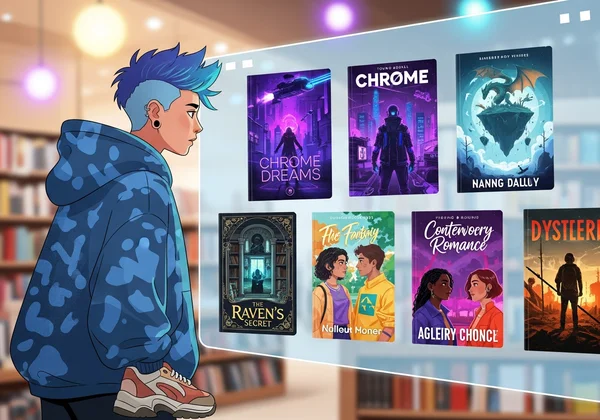
Current YA Cover Design Trends Resonating with Gen Z
To connect with Gen Z, your cover must reflect their world and tastes. Understanding current YA fiction cover trends is the first step toward creating a design that feels relevant and exciting. Let's dive into two dominant aesthetics that are captivating young readers right now.
Dark Academia: The Timeless Aesthetic Making a Comeback
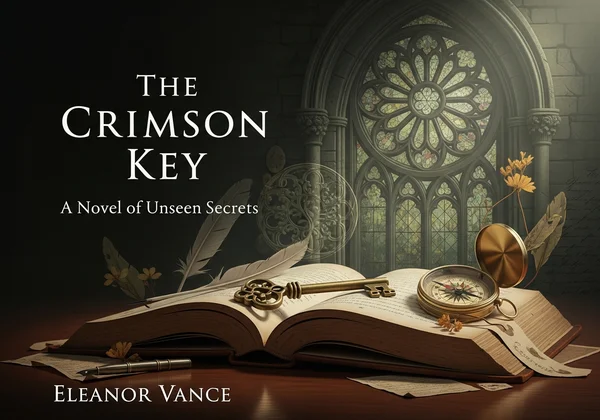
Dark academia is more than just a trend – it's a complete subculture. This style romanticizes classic literature, ancient architecture, and a love of knowledge, often with a mysterious or melancholic twist. Think old libraries, tweed jackets, secret societies, and candle-lit study sessions. This aesthetic appeals to Gen Z's love for nostalgia and intellectualism.
A successful dark academia cover often uses a muted color palette with deep browns, maroons, and forest greens. Serif fonts, intricate symbols like keys or skulls, and imagery of gothic architecture or classical art are common elements. The goal is to evoke a sense of scholarly mystery and timeless elegance. By using these elements, you signal to readers that your book belongs to a world they already love and understand.
Neon Cyberpunk: The Future of YA Sci-Fi Covers
At the opposite end of the spectrum is neon cyberpunk. This trend is all about high-tech futures, dystopian cityscapes, and rebellious energy. It's defined by its vibrant, electric color palette—think neon pinks, blues, and purples set against dark, gritty backgrounds. This style speaks to a generation fluent in digital culture, video games, and futuristic media.
Cyberpunk covers often feature bold, sans-serif typography, glitch effects, and imagery of futuristic technology or urban landscapes. The key is to create a visual that feels dynamic, energetic, and slightly dangerous. It promises a fast-paced story filled with action, technology, and social commentary. If your YA novel explores themes of the future and rebellion, a neon cyberpunk design is a powerful way to attract the right readers.
Cultural Nuances and Symbolism in YA Cover Design
A visually appealing cover is important, but for Gen Z, a meaningful one is even better. This generation values authenticity and expects to see their diverse experiences and digital language reflected in the media they consume. Understanding Gen Z book marketing means going beyond surface-level trends.
Authentic Representation Matters: Beyond Diversity Tokens
Gen Z readers can spot inauthentic representation instantly. When designing covers with diverse characters, it's essential to go beyond just adding a person of color. Authentic representation means portraying characters with nuance and respect, avoiding stereotypes, and ensuring the depiction feels genuine to the story and the culture it represents.
This could mean collaborating with sensitivity readers or artists from the communities you are portraying. It also means paying attention to details like hair texture, skin tones, and cultural attire. When readers see themselves represented authentically on a cover, it builds an immediate and powerful connection. It shows that your book respects their identity and offers a story where they can feel seen. You can easily specify these details and bring your vision to life when you design a book cover.
Digital-Native Visual Language: Memes, Emojis, and Internet Aesthetics
Gen Z grew up online. Their visual language is shaped by social media, memes, and the fast-paced nature of internet culture. While you shouldn't just put a meme on your cover, you can incorporate elements of this digital aesthetic in subtle, clever ways. This could include using glitch art, pixelated fonts, or color schemes popular in online communities.
Think about how visual information is shared on platforms like TikTok and Instagram. It's often bold, direct, and emotionally expressive. Your cover can adopt a similar feel with high-contrast colors, striking typography, or a composition that feels like a screenshot from a compelling story. This approach shows that you understand the world your readers inhabit, making your book feel instantly more relevant.
Leveraging AI for YA Cover Design
You now understand the trends and cultural nuances. But how do you translate these ideas into a professional, market-ready cover, especially with a limited budget or no design experience? This is where artificial intelligence becomes a game-changer for authors and publishers.
Mastering Genre-Specific AI Templates for YA Fiction
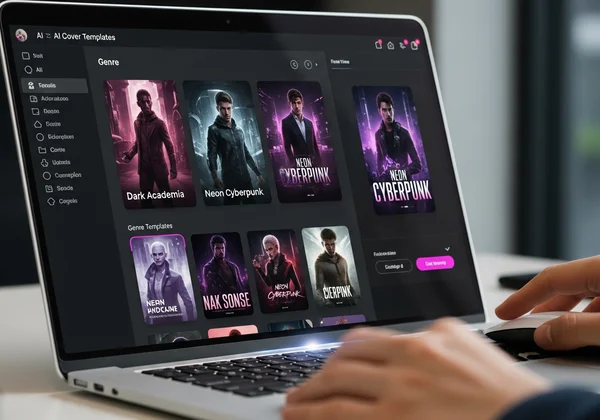
Modern AI tools are not just random image generators. Advanced platforms like BookCoverDesign.ai offer AI genre templates specifically trained on successful designs within particular categories, including Young Adult fiction. These templates understand the core visual elements of genres like Dark Academia, Urban Fantasy, and Contemporary YA.
By starting with a genre-specific template, you ensure your cover already aligns with reader expectations. You can select the "Dark Academia" style and let the AI generate concepts with appropriate moody colors, classic fonts, and symbolic imagery. Or, choose a sci-fi template to get bold, futuristic designs. This process allows you to quickly create a high-quality foundation that you can then refine, saving you hours of work and the high cost of hiring a designer. It’s an ideal way to explore book cover design ideas.
Customization Strategies Beyond the Template
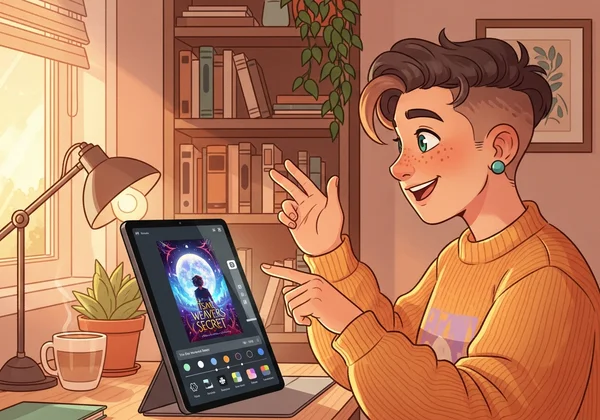
The true power of AI lies in customization. A template is just the beginning. After generating a base design, you can take control and infuse your unique vision into the cover. This is where your understanding of Gen Z's preferences becomes crucial. Use the prompt field to get specific about the details that matter.
For example, you can instruct the AI to:
- "Create a cover with a Black teenage girl with natural hair, looking confidently at the viewer, with a neon-lit city in the background."
- "Design a minimalist cover with a single withered rose on a stack of old books, using a sepia color palette."
- "Generate a symbolic cover with a cracked hourglass and glowing runes, in the style of dark academia."
By providing detailed prompts, you guide the AI to create something truly unique that captures the essence of your story. This combination of smart templates and powerful customization helps you produce a professional, unique book cover design without needing any technical skills.
Transforming Your YA Vision into Cover Reality
Creating a cover that resonates with Gen Z involves more than just following trends. It requires understanding their values, visual language, and the cultural aesthetics that define their generation. From the scholarly allure of dark academia to the electric energy of neon cyberpunk, the right design can make your book irresistible to young readers.
We've explored how authentic representation and digital-native aesthetics are not just details, but essential components of a successful YA cover. When you incorporate these elements, you're telling readers: 'This story was made for you' – creating an immediate connection that goes beyond just a cover design.
The best part? You don't need design skills or a big budget to create an amazing cover. AI has put professional design tools right at your fingertips, leveling the playing field for every author. With genre-specific templates and detailed customization, you can experiment with ideas and create a cover that is both professional and deeply personal.
Your story deserves a cover that does it justice. Are you ready to bring your vision to life? Start designing now and create the perfect cover that will captivate the next generation of readers.
YA Book Cover Design Questions
How important is it to follow YA genre conventions in my cover design?
Following genre conventions is very important, especially in a crowded market like YA. Readers often make split-second decisions based on a cover. When your design uses familiar colors, fonts, and imagery for a specific genre (like fantasy or contemporary romance), it instantly signals to the right audience that your book is for them. However, the best covers blend convention with a unique twist that makes them stand out.
What color palettes work best for Gen Z YA readers?
Gen Z's color preferences are diverse. For moody, atmospheric genres like dark academia or thrillers, muted palettes with deep, rich colors (burgundy, forest green, dark navy) work well. For contemporary, sci-fi, or fantasy stories, don't be afraid of bold, vibrant colors. Neon palettes, high-contrast combinations, and even soft pastels can be very effective, depending on the book's tone. The key is to choose a palette that reflects your story's emotion.
Can AI really capture the nuanced cultural elements Gen Z readers expect?
Yes, with the right guidance. An AI is a tool, and its output depends on your input. While it might not understand "culture" on its own, you can guide it by using specific, descriptive prompts. For example, instead of just asking for "a diverse character," you can describe physical features, clothing styles, and settings with detail to ensure the AI creates a more authentic and respectful image. You can test these prompts and refine your ideas quickly using an AI book cover tool to see what works best for your story.