
AI Book Cover Generator for Memoirs: Authentic Visual Storytelling
Your memoir is more than just a collection of pages; it is a piece of your soul. After spending months or even years writing your life story, you face a new challenge. How do you represent a lifetime of experiences in a single image? How can you design a cover that feels as authentic as your words?
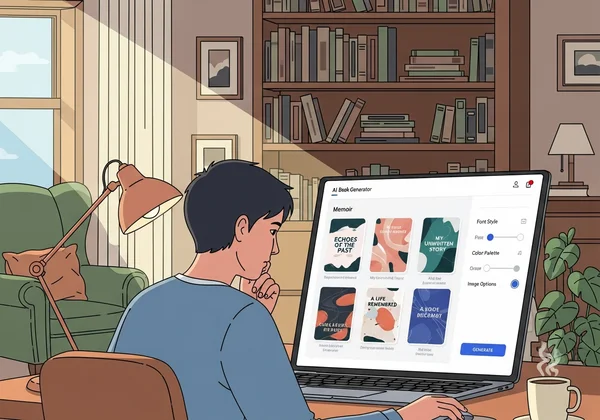
A powerful cover is the first point of contact between your story and your future readers. It must convey emotion, history, and truth instantly. Fortunately, modern technology makes this easier than ever. With an AI cover generator, authors can now create professional visuals. These tools capture the unique heart of your personal narrative without the high costs of traditional design firms.
This guide will walk you through the essential principles of memoir book cover design. We will explore how to use AI to translate your memories into a compelling visual legacy. Whether you are sharing a story of triumph, loss, or self-discovery, you can create your cover today and give your book the professional look it deserves.
Understanding the Essence of Memoir Book Covers
To design a great cover, you must first understand what a memoir cover aims to achieve. Unlike fiction, which often promises an escape into a fantasy world, a memoir promises a connection to a real human being. Readers choose memoirs because they want to learn from someone else's lived experience.
What Makes a Memoir Cover Different from Fiction
In fiction, covers often use dramatic, high-concept imagery to hint at a plot. For example, a thriller might have a dark silhouette and a splash of blood. However, autobiographical book design requires a more grounded approach. The goal is not just to excite the reader; it is to build trust.
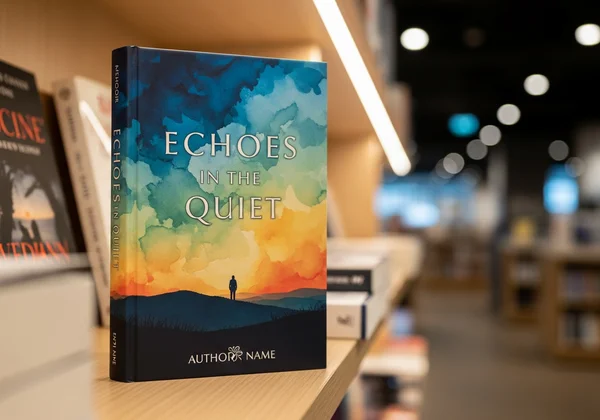
Memoir covers thrive on mood and symbolism. Choose one object that captures your journey—something readers will instantly connect to your story. While fiction covers can be loud and busy, memoir covers benefit from intimacy. They feel personal, almost like a private photograph or a cherished keepsake. This subtle difference helps a reader feel like they are about to step into your real life.
The Psychology Behind Successful Memoir Cover Design
Successful covers use visual psychology to trigger specific emotions. For a memoir, the two most important emotions are empathy and curiosity. If your book is about overcoming a difficult childhood, the cover should feel hopeful yet honest. If it is a travel memoir, it should feel expansive and adventurous.
Colors and textures play a huge role here. A matte texture with soft, earthy tones can make a book feel "literary" and serious. Bright, high-contrast colors might suggest a humorous or high-energy autobiography. AI design tools like ours analyze market trends automatically. Your cover will meet reader expectations—no guesswork needed. You can use our online tool to see these principles in action.
Step-by-Step Guide to Designing Your Memoir Cover with AI
Using AI to design your cover is a collaborative process. You provide the heart and the details, and the AI provides the technical execution. You can bring your vision to life in just a few minutes.
Setting the Right Foundation: Title and Genre Selection
The first step is entering your book title and selecting the correct genre. The title is a major design element. For memoirs, the title is often the largest thing on the cover. It needs to be readable and placed in a way that does not hide the central image.
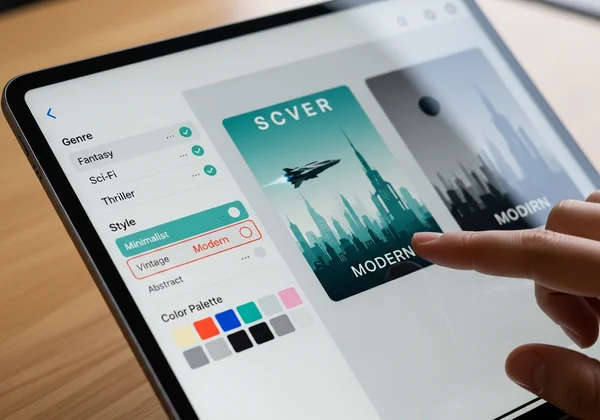
Selecting the right genre or style category is equally important. In the tool, you can choose styles like "Minimalist Elegance" or "Abstract and Symbolic Designs." If your memoir is a lighthearted series of essays, you might choose "Illustration and Pop Art." This selection tells the AI which "visual language" to use so that your personal story book covers look appropriate for the bookstore shelf.
Choosing the Perfect Style for Your Personal Narrative
Once you have set the basics, you need to decide on the artistic style. Memoirs often fall into three visual categories:
- Photographic: Using a real or AI-generated person who represents the author.
- Abstract: Using shapes and colors to represent an emotion rather than a literal scene.
- Symbolic: Using a single object—like a pair of worn-out shoes or a birdcage—to tell the story.
When you start designing, think about which style best matches your writing voice. If your prose is direct and plain, a minimalist style works best. If your writing is poetic and full of metaphors, an abstract or symbolic style will resonate more with your readers.
Crafting an Authentic Color Palette
Color is the fastest way to communicate a mood. For memoirs focusing on healing and peace, blues and greens are excellent choices. For stories about passion, anger, or survival, reds and oranges provide the necessary impact.
The AI tool allows you to select a specific color theme or choose "Random" to see different creative interpretations. Remember that "authentic" does not always mean "pretty." Sometimes, a muted or grey-toned palette is the most honest choice for a difficult subject. Experiment with different themes until you find the one that feels right.
Advanced Techniques for Emotionally Resonant Memoir Covers
To move from a "good" cover to a "great" one, focus on the finer details. Use the "Prompt" field in the AI generator to add specific instructions.
Typography that Tells Your Story
The font you choose is like the "voice" of your cover. A classic serif font suggests authority, history, and tradition. This is perfect for family sagas or historical memoirs. A clean, sans-serif font feels modern, relatable, and accessible.
When designing your cover, consider the spacing between letters. Widely spaced letters can create a sense of breath and calm. Tight, bold lettering can feel urgent and powerful. Make sure your title doesn't just name the book—it should feel like part of the art itself.
Symbolism and Imagery in Personal Storytelling
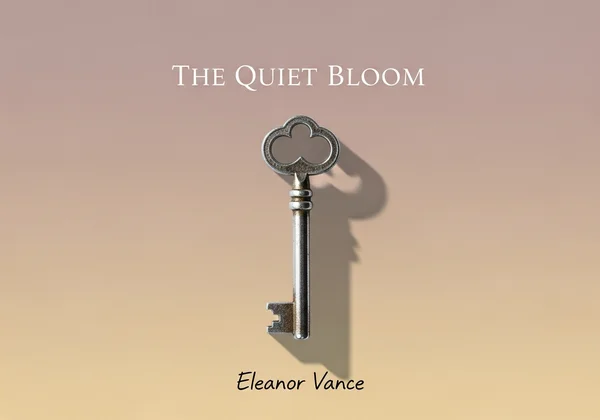
Use "visual shorthand" for memoir covers. A single symbolic image—like a key or birdcage—can convey your entire story's theme. If your memoir is about finding your voice, you might use an image of a single gold leaf in a forest of green.
In the AI prompt box, describe these symbols. Instead of saying "a cover about my life," try "a single vintage key resting on a bed of moss, soft morning light, cinematic style." This level of detail helps the professional design tool generate something truly unique to your story.
Case Studies: Successful Memoir Covers Created with AI
Seeing how others have used these tools can provide great inspiration. Here are two examples of how different memoir themes were transformed into stunning visual designs.
Case Study: Journey of Healing - Transforming Experience into Visual Impact
Sarah wrote a memoir about her ten-year journey through chronic illness and eventual recovery. She wanted a cover that didn't look "medical" but felt hopeful.
"I was struggling to explain my life in one image," Sarah noted. "I tried the 'Abstract' style and described a cracked ceramic vase being put back together with gold, Japanese Kintsugi style."
The result was a sophisticated, beautiful cover that symbolized her "broken but beautiful" journey. It immediately caught the eye of readers looking for stories of resilience.
Case Study: Finding Voice - From Personal Struggle to Compelling Cover
David, a first-time author, wrote about his experience moving to a new country and the struggle to fit in. He wanted something bold and modern. He used the "Illustration" style and requested a design featuring "a single colorful bird flying against a backdrop of grey city skyscrapers."
By using the AI book cover generator, David tested five different versions of this idea in under ten minutes. He eventually chose a high-contrast design that looked perfect on both the Kindle store and in physical print. The professional quality of the cover helped him secure several interviews with local book bloggers.
Your Memoir Deserves a Powerful Cover
Your memoir deserves a cover as powerful as the story inside—no design degree required. You don't need a massive budget to create something beautiful. By understanding the psychology of your genre and using the right tools, you can produce a cover that stops readers in their tracks.
A great cover acts as a bridge between your heart and the reader's mind. It tells the world that your story matters. Don't let your words be hidden behind a generic or unprofessional design.
Imagine holding your memoir with a cover that captures every emotion. Give your memoir the award-worthy cover it deserves—start free now. You can design your cover right now and join the thousands of authors who are using AI to change the world of publishing.
Frequently Asked Questions About Memoir Book Cover Design
Ensuring Authenticity in Memoir Cover Design
Authenticity comes from the details. Instead of using generic images, think of a specific object, color, or "feeling" that defines your experience. Use the prompt field in the AI tool to describe these specific elements. The more personal your input, the more authentic the output will feel.
Selecting Design Elements for Different Memoir Subgenres
- Travel Memoirs: Wide horizons, bright colors, and bold typography.
- Tragedy/Loss: Muted tones, minimalist symbols, and plenty of "white space."
- Inspirational/Self-Help: Warm lighting, nature imagery, and soft, clean fonts.
- Political/Professional: High-contrast colors (black, white, red) and strong serif fonts.
Creating a Memoir Cover That Stands Out
To stand out, follow the rules of your genre while adding one "surprise" element. If most covers in your category use photos, try a symbolic illustration. If most are dark, try a bright, minimalist design. You can try our free tool to quickly generate different versions and see which one grabs your attention the most.
Choosing Between AI Design and Professional Hiring
Hiring a professional designer can cost hundreds or thousands of dollars. For many independent authors, our AI book cover generator provides a perfect middle ground. It offers professional-grade aesthetics and high-resolution files at a fraction of the cost. This allows you to invest more of your budget into editing and marketing your book.